if you are intersted in this article please follow for more readings
https://myorthodonticsblogg.blogspot.com/ 👈🏻
What is the importance of retention in orthodontic treatment?
Retention is an important part of orthodontic treatment because it ensures that the teeth remain in their proper positions after the braces or aligners have been removed. Without proper retention, the teeth may shift back to their original positions, undoing months or even years of progress. By wearing a retainer as directed by the orthodontist, patients can maintain their new smiles and prevent the need for additional treatment in the future. Regular dental check-ups and cleanings are also important to ensure the continued success of orthodontic treatment.
What types of retention options are available for patients?
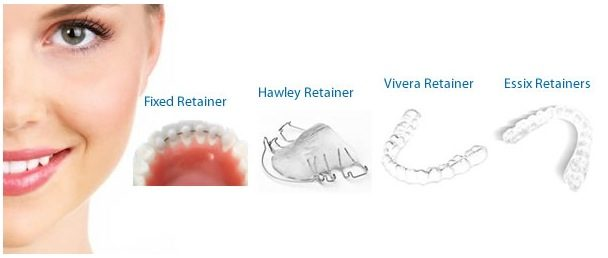
There are a variety of retention options available for patients to maintain the results of their treatments. These may include wearing retainers, using clear aligners, or undergoing periodic touch-up treatments. The specific option recommended will depend on the patient's individual needs, as well as the type of treatment they received. It is important for patients to follow their dentist's or orthodontist's recommendations for retention to ensure the best long-term outcomes.
How long do I need to wear my retainers after my orthodontic treatment is complete?
The length of time you need to wear your retainers after orthodontic treatment can vary depending on the individual case. In general, it is recommended to wear retainers full time for the first several months after treatment, with increasing intervals of only wearing them at night. After a year, you may be able to switch to wearing them only a few nights a week. It's important to follow your orthodontist's recommendations to ensure your teeth remain straight and in their corrected positions.
What are the potential consequences of not properly using or maintaining retainers?
Not properly using or maintaining retainers can result in a number of consequences, including the teeth shifting back to their original position, discomfort or pain in the teeth or jaw, and even the need for additional orthodontic treatment. If retainers are not kept clean, bacteria can build up and lead to gum disease or tooth decay. It is important to follow the instructions provided by your orthodontist and regularly clean and check your retainers to ensure their effectiveness and prevent any potential issues.
Conclusion
In conclusion, the orthodontic retention phase is just as important as the braces phase. It ensures that your teeth remain in their new, straight positions and that the results of your orthodontic treatment are maintained for long-term success. The duration of retention varies from person to person, but it is generally recommended to wear a retainer for at least a year after your braces are removed. There are different types of retainers that an orthodontist may suggest, and each comes with its own set of advantages and disadvantages. To ensure optimal results, it is crucial to take care of your retainer and wear it as prescribed by your orthodontist. If you have any questions or concerns, don't hesitate to seek professional advice from an orthodontist. They can guide you through the retention process and ensure that your smile stays beautiful for a long time to come.



Comments
Post a Comment